
The COGNO Consumer Advisory Panel, comprises consumer representatives, provides strategic input and lived experience perspectives to ensure COGNO’s research and activities reflect consumer priorities and values.
Bec Mallett is the Founder and former Chief Executive Officer of Peace of Mind Foundation, Australia’s leading specialist brain tumour support charity, and now serves as Head of Impact and Engagement. Inspired by her family’s experience with brain cancer, she established the Foundation in 2013 and has dedicated her career to improving the quality of life and supportive care available to people living with brain tumours and their families.
With more than 20 years’ experience in the not-for-profit sector, Bec has led the development of innovative national support programs, influenced supportive care initiatives, and built strong partnerships across healthcare, research, government and the community sector. She is a respected patient advocate, public speaker and educator, regularly presenting to healthcare professionals and contributing to national and international advisory committees. Her work focuses on ensuring the lived experience of patients and carers informs clinical practice, patient resources, quality-of-life initiatives and future models of care.
Outside of her professional role, Bec is a devoted mum and carer for her husband, Matt, who is living with brain cancer. Her personal and professional experiences continue to drive her passion for advocating for equitable access to information, support and compassionate care, ensuring no family faces a brain tumour diagnosis alone.
Christine is a consumer advocate and public health professional with lived experience of brain cancer. She was diagnosed with a grade 2 oligodendroglioma in 2024. Since then, she has experienced brain tumour treatment and ongoing care, including surgery, chemotherapy and radiation therapy, and the long-term impacts of living with brain cancer. This experience underpins her focus on improving how research and health systems respond to patient needs.
Alongside her lived experience, Christine has more than 15 years’ experience in public health and health policy across government, research, and non-profit organisations. She has held senior roles at the NSW Ministry of Health, Cancer Council Australia, and the Sax Institute, working on cancer control policy, medical research translation, and facilitating better use of research evidence in health system practice and policy.
Christine is passionate about supporting implementation of best practice in consumer involvement in research, policy and service design, approaches to co-production, and upskilling consumer advocates in research systems. She brings an integrated perspective across consumer advocacy, policy, and research, with a focus on improving outcomes and experience for people affected by brain cancer.
I am a 73-year-old living with Stage 4 melanoma and still working full time as a pharmacy owner in a small rural town in the southern Riverina in NSW. I was diagnosed in March 2023 after suffering a major seizure and was found to have a large tumour in my right frontal brain, as well as two other lesions in my brain and numerous others throughout my body. The brain lesions were radiated via Gamma Knife before the large tumour was removed by craniotomy. I started immunotherapy two weeks later. I have had a partial positive response but continue to receive treatment and regular scans. I am extremely grateful that advances in medical research have given me the chance to lead a normal life compared to when I was first found to have a melanoma in 1971, when the options were much more dire.
I now want to give back to medical research and help in any way I can, to advance the chances of those who have much worse diagnoses than mine. I believe my extensive experience in pharmacy, especially in rural areas, explaining complex medical issues to people with little or no scientific knowledge, in language that they can understand, allows me to bridge the gap between research and the patient, and help those remote from the laboratory understand the need for, and process of, medical research in all its forms.
Jessica Grubisa is a communications and brand-marketing professional with more than 15 years’ experience in brand strategy, public relations, and consumer engagement. Following her diagnosis with a Grade 4 IDH-mutant astrocytoma in 2025, she became passionate about patient advocacy and ensuring patient voices are represented in cancer research and healthcare decision-making.
Drawing on both her professional expertise and lived experience, Jessica is committed to helping shape more patient-centred approaches to cancer care and improving outcomes for individuals and families navigating a cancer diagnosis.

I was diagnosed with a Grade 3 Oligodendroglioma in 2013. I under went concurrent radiation and chemotherapy treatment for approximately 5 weeks, followed by 6 cycles (5 days on, 23 days off) of chemotherapy treatment. After 11 years I’m happy to report the tumour is stable. I joined COGNO CAP around 8 years ago as a Consumer Advisor, reviewing upcoming proposed or new clinical trials ensure patients are receiving the best treatment possible.
Aside from my voluntary role at COGNO, I also work in Buying at Kmart Australia in Confectionery. Outside of work, my interests include walking, working out at the gym, and travelling regional, interstate or overseas.
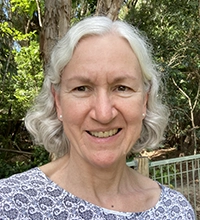
My interest in being a COGNO CAP member stems from both my professional background and my family involvement with brain cancer. I trained in Canada as a psychometrist, and worked in Toronto administering neuropsychological assessments to the clients of a neuropsychologist in private practice, and to in-patients at St Michael’s Hospital. Other roles included implementing rehabilitation programs for adults with traumatic brain injuries, and most recently, as the Accessibility Adviser at James Cook University, Cairns for 15 years, supporting students with a range of disability, injury, illness or health conditions. I am now mostly retired, but do casual editing work for a research centre at Central Queensland University investigating Indigenous health equity and wellbeing.
I have personal lived experience with cancer, both first-person and through my 20-year-old daughter’s diagnosis and treatment for brain cancer (medulloblastoma). She was diagnosed in 2015 and died 18 months later. She had been treated with a paediatric protocol because there were no protocols specifically for young adults with this type of cancer. This gap in the research has fuelled my interest in contributing in whatever way I can to the advancement of brain cancer research in general, and in particular, to treatments targeting the adolescent and young adult population.
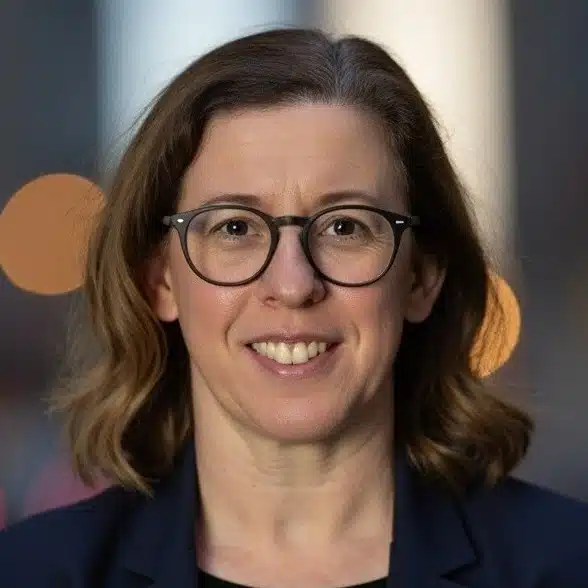
My interest in brain cancer and the associated research has been led by my son Callum’s diagnosis in 2025 of H3 G34R-DHG. Upon his diagnosis I have actively engaged with clinicians and scientists in the field to better understand his diagnosis and treatment options. This has led to a keen interest in the advancement of treatments, trials and opportunities for the field to knowledge-share and push boundaries to better meet the expectations of patients and families, as well as drive enhanced treatment outcomes that have not been available in recent years.
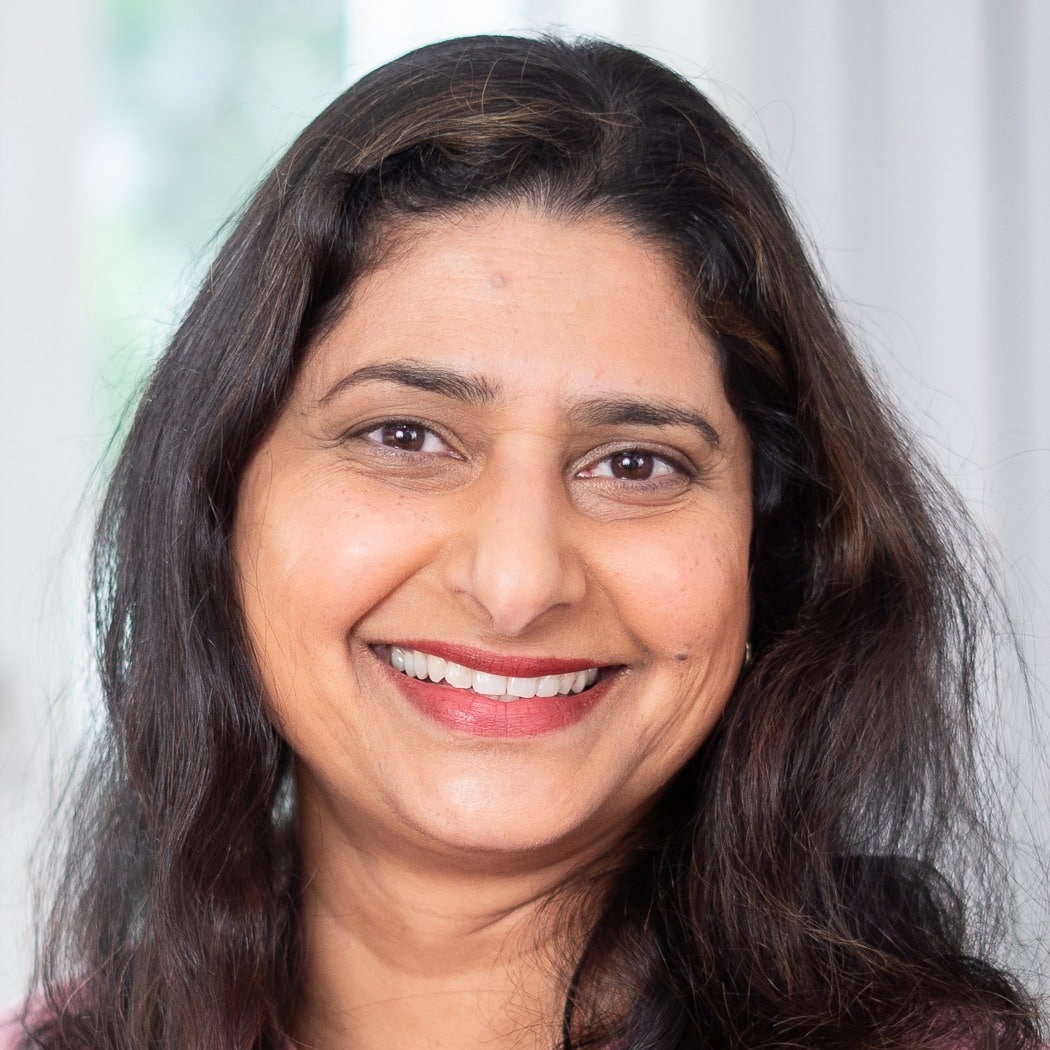
Swati is passionate about increasing awareness of brain cancer and using her experience to improve treatment options for brain cancer patients. She was diagnosed with a grade 4 glioblastoma in 2024 and underwent surgery, chemotherapy and radiation therapy under the standard treatment protocol. Since March 2025, she has been participating in an immunotherapy clinical trial. Swati considers herself fortunate to have received the care and treatment she has, all of which have maintained her health and enabled her to continue her regular activities.
As the standard treatment for brain cancer has remained unchanged for decades, Swati is strongly motivated to increase access to, and resourcing for, clinical trials as these provide patients with access to cutting edge therapies. Swati is also focused on bridging the gap between the health care system and patients by drawing on her experience as a patient with a complex condition.