
The Management Committee facilitates the smooth
running of the group.

Associate Professor Elizabeth Hovey: Senior Staff Specialist (Medical Oncology) at Prince of Wales Hospital (neuro-oncology and genitourinary oncology), Conjoint Associate Professor UNSW. Completed undergraduate degree University of Sydney, medical oncology training at Royal Prince Alfred Hospital. Completed 3 year post-graduate fellowship at Columbia-Presbyterian Medical Centre, New York in 2001 concurrent with full scholarship to complete 2-year Masters of Science (Biostatistics: Patient-Oriented Research) at Columbia University School of Public Health.
Keen triallist (Local PI- 54 genitourinary trials, 22 neuro-oncology trials). Prior elected chair of the COSA Neuro-Oncology Group, a founding member of COGNO (Cooperative Trials Group for Neuro-oncology) (including Chair of COGNO Scientific Advisory Committee for 5 years) and is Chair of the NSW Neuro-Oncology Group (including coordinating Patient Education/Support Forums). Grant recipient, & chief investigator for pivotal neuro-oncology studies. Presented oral abstract ASCO 2015 sharing results of COGNO glioblastoma study (CABARET), results of which are referenced in ASCO guidelines.
Regularly lectures at UNSW and contributed to curriculum design. Invited guest oncology speaker to New Zealand, Philippines, Taiwan, Turkey (including topics of brain, prostate, renal cancer). On Board of Reviewers for Neuro-Oncology Practice (Oxford Press); reviewer for a number of international journals. Invited grant reviewer for EORTC in Belgium (2016).

Dr Lee is a Medical Oncologist and Network Director of Physician Training at Royal North Shore Hospital and Genesis Care. He has clinical and research interests in neuro-oncology, head and neck and genitourinary cancers. He is currently an Executive Member of the Medical Oncology Group of Australia (MOGA), Management Committee Member of COGNO and past-Chair of the State Committee in the Royal Australasian College of Physicians (RACP). Dr Lee is part of a global team with Memorial Sloan Kettering Cancer Centre, New York in furthering research in liquid biopsies of solid tumours. His other research interests are in malignant brain tumours and clotting which are conducted through the Bill Walsh Translational Cancer Research Laboratory at the Kolling Institute, University of Sydney.

Jim Whittle is Neuro Oncologist at the Peter MacCallum Cancer Centre (PeterMac) and joint-head of the Brain Cancer Research Laboratory at WEHI. Jim’s research expertise and reputation are built on a deep understanding of basic biology, the development of patient-derived models for drug discovery, and clinical translation. His clinical research focuses on implementing novel Phase 0 (Perioperative) clinical trials as part of a paradigm shift in drug development.
An emerging leader in the field of Neuro Oncology, Jim has an established institutional and national profile, serving on the management committee and chairing the Outreach and Education Committee for the Cooperative Group for Neuro Oncology (COGNO), as well as participating in various committees within the Society of Neuro Oncology (SNO). In 2023, Jim was appointed Co-Director of Research Strategy at the Brain Cancer Centre (Melbourne) and sits on the research advisory committee for the Mark Hughes Foundation Centre for Brain Cancer Research.
Reflecting a commitment to improving patient outcomes, Jim co-leads a team with Prof. Kate Drummond (RMH) developing an online survivorship platform to provide reliable information, self-care tools, and a supportive community for Australians affected by brain tumours. He also focussed on improving the transition of care for paediatric patients with brain tumours into the adult setting and increasing equity of access for Adolescents and Young Adults (AYAs) with brain tumours to enrol on clinical trials.

Dr Laveniya Satgunaseelan is a pathologist in the Department of Neuropathology at Royal Prince Alfred Hospital, Sydney. Her main role is in the provision of molecular neuropathology services. Laveniya is an active member of the NIH Clinical Genome Resource, where she co-chairs two international working groups in cancer genomics. Locally, Laveniya is the current secretary/treasurer of the Australia and New Zealand Society of Neuropathology.

Prof. Gan graduated from Melbourne University with a Bachelor of Medicine and Surgery. In 2016, he was appointed the head of the Cancer Clinical Trials Unit at Austin Health. He is Adjunct Professor with Latrobe University. From 2020-2024, he was Clinical Research Lead at the Olivia Newton- John Cancer Research Institute (ONJCRI) and joined the ONJCRI Executive Team overseeing research across the ONJCRI.
He is a very active clinician scientist. He obtained his PhD from Melbourne University. In 2019, he formed and is the Head of the Cancer Therapies and Biology Group at ONJCRI, focused on the development of better cancer treatments, particularly brain cancer. He has had continuous grant success since 2015 and over 170 peer reviewed journals including in Nature, Journal of Clinical Oncology and Neuro-Oncology, the leading global journals in science, clinical oncology and neuro-oncology respectively.
He is passionate about improving the outcomes for patients with brain cancer. In particular, he has helped lead multiple clinical trials in brain cancer, including trials using drugs from the ONJCRI research program such as mAb806 (subsequently developed into ABT-414) and ifabotuzumab, one of the first drugs specifically targeting the tumour microenvironment. He co-founded the Australian Brain Cancer Research Alliance (ABCARA) and is the study chair for the LUMOS-1 and LUMOS-2 platform trials in recurrent IDH-mutant glioma.

Hamish Alexander is Neurosurgeon and Spine Surgeon based in Brisbane, Australia. Dr Alexander is a Consultant Neurosurgeon and Director of the Kenneth G Jamieson Neurosurgery Department, Royal Brisbane and Womans Hospital and in private practice with BrizBrain & Spine. He is a senior lecturer in the Department of Medicine, University of Queensland and a clinical associate with the Sid Faithful Brain Cancer Laboratory, QIMR Berghofer. Dr Alexander is the current vice president of the Neurosurgical Society of Australasia.Dr Alexander completed his specialist neurosurgical training in New Zealand and Australia having earned undergraduate degrees in neuroscience and medicine at Otago University, NZ. He attained Fellowship of the Royal Australasian College of Surgeons in 2016. Neuro-oncology is the key focus of Dr Alexander’s clinical and research work. He was awarded an M.Phil degree from the University of Queensland in 2015 for research on Immunotherapy for Glioblastoma and subsequently undertook a neurosurgical-oncology fellowship at Memorial Sloan-Kettering Cancer Centre in New York, USA in 2016-17. He has been a Member of COGNO since 2013 and served as the co-convenor of the ASM in 2022. Dr Alexander also has keen interests in neurotrauma, bio-fabrication and skull base/pituitary surgery.

Dr. Lucy Gately is an accomplished neuro-oncologist and early-career researcher, currently serving as the Head of Neuro-oncology, Cancer Genetics, and Clinical Innovation at Alfred Health. She is also an early-career researcher in the Personalised Oncology Division at the Walter and Eliza Hall Institute. Dr. Gately holds a Doctor of Philosophy (PhD) from the University of Melbourne, where she focused her research on neuro-oncology, specifically investigating biomarkers for long-term survival and survivorship in patients with glioblastoma. Her work has led to novel findings in both clinical and translational research, as well as in qualitative studies. Dr. Gately's research has garnered significant recognition, including the award of a Melbourne University Research Scholarship, a St Vincent’s Research Endowment Fund and a Victorian Cancer Agency Early Career Fellowship for her pioneering contributions to neuro-oncology. These include: the BRAIN Registry, representing the largest comprehensive clinical and translational database in Australia and an invaluable research infrastructure; the world’s first Phase III registry trial in neuro-oncology; and BIOBRAIN, an innovative multi-site project establishing a standardized pipeline for access to fresh tissue, the creation of organoid models, and omics and drug assays—matched to individual patient clinical data. In addition to her clinical and research leadership, Dr. Gately is an active member of the Brain Cancer Centre (BCC) and serves on the Operations Committee for the flagship Brain-Perioperative Program (BrainPOP). She is deeply committed to patient education and advocacy, having worked extensively with Cancer Council Victoria to improve the quality of information and support available to patients and their families.

Associate Professor Kerryn Pike (DPsych (Clin Neuro) MAPS FCCN) is a Clinical Neuropsychologist and Associate Professor in the School of Applied Psychology at Griffith University, Gold Coast, Australia. She also holds an adjunct position at La Trobe University. She is one of the founders of the LaTCH memory management group program, designed to improve the everyday memory of people with mild cognitive impairment. Recent work has involved adapting and evaluating LaTCH in people with brain tumours. Dr Pike is particularly interested in translating evidence-based neuropsychological interventions into clinical practice and Chairs the Australian Dementia Network (ADNET) Cognitive Interventions Working Party, as well as the International Neuropsychological Society Neuropsychological Interventions SIG, and the Multinational Association for Supportive Care subgroup on cancer related cognitive impairment. In terms of research track record, Dr Pike has 70 papers in high quality journals within Psychology and Neuroscience, with high citation rates (>10,000, Google Scholar), and a book chapter. She has attracted > $8.5 million in research funding to date.
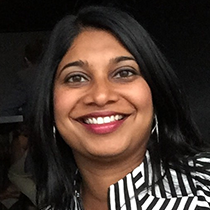
Dr Vino Pillay has a PhD in Biochemistry and Molecular Biology and more than 15 years of postdoctoral experience as a cancer researcher, with a focus on the development of novel therapeutic strategies to achieve better clinical outcomes for patients with brain and colorectal cancers. She held appointments as a Senior Research Fellow at the Olivia Newton-John Cancer Research Institute, the Hudson Institute for Medical Research and St Vincent’s Institute for Medical Research, among other cancer research positions. Her skills also encompass strategic program management at a leadership level, where Dr Pillay worked as a Program Manager for the innovative Distributed Leadership Program (for Cancer Research and Translation) at the Victorian Comprehensive Cancer Centre (VCCC) Alliance with a focus on research and educational initiatives, followed by a senior leadership role as Program Manager of the Victorian Integrated Cancer Services (VICS) Optimal Care Summits. She is experienced in academic, healthcare and commercial settings and has led multi-site and multidisciplinary projects and research collaborations (at both national and international levels). She has a very strong passion for enabling the rapid translation of research into clinical practice by developing and implementing innovative system changing programs to improve the lives of patients with cancer.
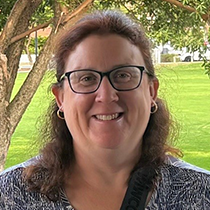
A/Prof Georgia Halkett is a Senior Research Fellow at Curtin University. A/Prof Halkett is co-lead for the Cancer Domain in the Curtin Health Innovation Research Institute and Director of Graduate Research for the Curtin School of Nursing. She recently completed a Cancer Council of WA Research Fellowship at Curtin University. A/Prof Halkett practiced as a radiation therapist before moving into research. Her program of research focuses on understanding and addressing cancer patients and carers’ psychosocial and information needs, communication between health professionals and cancer patients, survivorship, return to work and research in radiation therapy. A/Prof Halkett led the Care-IS trial which consisted of providing a nurse-led supportive care intervention to carers of people diagnosed with high grade glioma. She has developed expertise in using different research methodologies including RCTs, mixed methods studies and qualitative studies.
A/Prof Georgia Halkett has been on the COGNO management committee since 2007. She is currently a member of the inaugural Board of COGNO. She is also a Board member for the Trans-Tasman Radiation Oncology Group and a member of the Scientific Advisory Committee of The Psycho-oncology Co-operative Research Group.
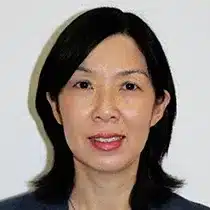
A/Prof. Koh is an academic Radiation Oncologist, working as a clinician researcher at Liverpool Hospital, NSW and Conjoint Associate Professor, University of New South Wales. A/Prof. Koh has over 20 years sub-specialty expertise in neuro-oncology and haematological cancers. A/Prof. Koh major research directions include brain tumour research in adult and paediatric patients as well as cancer survivorship research.
A/Prof. Koh has received research support of over $62 million (CI involvement) in competitive funding, including over $60 million in brain tumour-related projects and $2.2 million in cancer survivorship research. She holds CIB status for the MRFF-funded COGNO trial precision oncology LUMOS2 trial in adult recurrent lower grade glioma, currently recruiting to novel drug interventions across Australia and Canada.
She is co-lead for the largest multi-centre FIG study (FET-PET in Glioblastoma), a MRFF funded trial involving TROG, COGNO and ARTnet.
Her role as the Cooperative Trials Group for Neuro-Oncology (COGNO) Chair, she leads a collaborative network of brain tumour trial sites across Australia, working to develop and deliver both investigator-initiated trials across the collaborative trials landscape as well as working with industry partners. A/Prof. Koh has played a key role across the COGNO trial portfolio includring MAGMA, VERTU and NUTMEG. She has involvement with ASNO as well as RANZCR Asia-Pacific Radiation Oncology Special Interest Group with outreach activities in the Asia-Pacific.
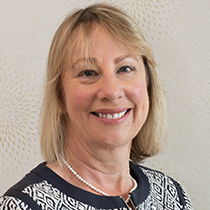
Clinical Professor Harrup FRACP FRCPA completed dual fellowships in Medical Oncology and Clinical and Laboratory Haematology in 2000. She has been a full-time clinician at RHH for 24 years and is Director of Cancer and Blood Services. She has a passionate interest in clinical research, particularly in the areas of Neuro-Oncology, Malignant Haematology and Late Effects. She is an experienced investigator across Phase I, II and III clinical trials. Prof Harrup has been a member of the Trial Management Committee for several Australian collaborative trials group multicentre clinical trials, including trials run by COGNO, ANZUP, and AGITG, and is Chair of the ALLG APML5 Trial Management Committee. She has more than 10 years’ experience as a Board Director of several NFPs and is passionate about fostering early career researchers.
Selected Professional Memberships
Cooperative Trials Group for Neuro-Oncology Member, 2007-present (Deputy Chair 2021-)
Australian Brain Cancer Mission Strategic Advisory Group 2021-2024
Australian Brain Cancer Mission Expert Advisory Panel 2024- present
Australian Tele-trials National Steering Committee 2022- present
Australian Institute of Company Directors 2013-present
Medical Oncology Group of Australia Member 2001 -present (Chair 2014-2016)
Australian Tele-trials National Steering Committee 2022-present
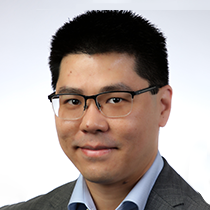
A/Prof Hao-Wen Sim is a Sydney-based medical oncologist with specialised expertise in adult neuro-oncology and biostatistics. He graduated with Honours from the University of Melbourne, receiving the James Stewart Bequest for Surgery and a place on the Margaret Whyte Honour Board. He also holds a Master of Biostatistics from the University of Sydney, where he earned several prestigious awards, including the Biostatistics Collaboration of Australia Star Graduate Award, the Judy Simpson Biostatistics Scholarship, the Les Irwig General Epidemiology Award and the Australasian Epidemiological Association Top Student Prize. A/Prof Sim completed a neuro-oncology fellowship at the Princess Margaret Cancer Centre in Toronto.
Currently, A/Prof Sim serves as the Deputy Chair of the COGNO Scientific Advisory Committee, Chair of the COGNO International Clinical Research Subcommittee, and is the Group Coordinator and Clinical Lead for COGNO at the NHMRC Clinical Trials Centre. He is also actively involved in treating adult neuro-oncology patients at The Kinghorn Cancer Centre and the Chris O’Brien Lifehouse. His research focuses on the development and implementation of national brain cancer trials.
The Scientific Advisory Committees role is to make recommendations to the COGNO on which protocols have scientific merit and clinical relevance.

I am a medical oncologist working in Sydney. I subspecialise in the management of CNS Gliomas. I have an interest in bench top and translational research and clinical trials.
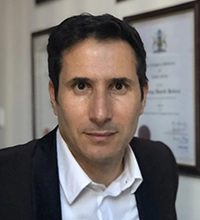
A/Prof Jeremy Ruben is a radiation oncologist at GenesisCare and at The Alfred Hospital where he has led the CNS, lung and radiosurgery programmes. He is Associate Professor at Monash University. He qualified in medicine (cum laude) in 1995. After specialist training he undertook a fellowship in advanced radiation techniques and undertook research leading to a MMed degree (2007), and a doctorate from Monash University in 2014. His clinical research interests are in neuro-oncology, lung, skin and stereotactic radiosurgery. He is the PI and CI on a number of clinical trials in these areas, many of which have attracted competitive grant funding. He has authored a number of national guidelines including brain cancer, lung cancer and radiosurgery and is an invited conference speaker locally and internationally. Jeremy is actively involved in the training of specialists in radiation oncology having founded and led the RANZCR training network director for Victoria and Tasmania for over a decade. He contributes to number of RANZCR committees and special interest groups that have educational or clinical focuses. He is also a RANZCR accreditation panel member accrediting radiation oncology centres for specialist training standards and an examiner for the RANZCR final fellowship examinations.

COGNO member since 2007. Experienced adult and paediatric neuropathologist with a focus on brain tumour diagnosis.

Prof. Mark Pinkham has been a COGNO member since 2011 and served on the Scientific Advisory Committee since 2019. He is an academic Radiation Oncologist with clinical and trial expertise in neuro-oncology. His research has focused on imaging, treatment and survivorship issues for people with both primary and secondary brain tumours. He is inaugural chair of the CNS Working Party within TROG (TransTasman Radiation Oncology Group) and the current chair of the Brain Cancer sub-committee within the Queensland Cancer Control Safety and Quality Partnership.

Prof Geraldine O’Neill is Acting Head of the Children’s Cancer Research Unit at Kids Research, The Children’s Hospital at Westmead. Geraldine is Academic Leader, Basic Research, for the University of Sydney Faculty of Medicine and Health (Western Precinct) and additionally coordinates innovative new Cancer units of study at Westmead within the School of Medical Sciences, University of Sydney. Geraldine has a long-standing interest in the role of the tumour microenvironment in cancer progression and response to therapy, with a particular focus on the development of improved preclinical models for brain cancer. She completed her PhD at the Kolling Institute of Medical Research, University of Sydney and then undertook post-doctoral studies at Fox Chase Cancer Centre in Philadelphia, USA, returning to Australia with award of an NHMRC Howard Florey Post-doctoral Fellowship. Next, as NSW Cancer Council Career Development Fellow, she established a program of cancer cell biology research at Westmead. Among other roles, she is Acting Deputy Head of the Kids Cancer Alliance, Cancer Institute NSW Translational Cancer Research Centre and member of the Scientific Advisory Committee for the Children’s Hospital Foundation, Queensland.
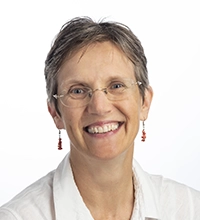
Professor Jeffree is a full-time public hospital neurosurgeon and Director of Neurosurgery at the Alfred Hospital in Melbourne. She is a general neurosurgeon with particular expertise and interest in neuro-oncology, epilepsy and trauma.
Alongside her clinical load, Professor Jeffree has research collaborations in the fields of brain tumours, cerebral imaging and intensive care. She is on the Trial Management Committees for the national collaborative studies PRECISION-TBI, MAGMA, and LUMOS. Her translational collaborations have led to development of Q-cell, a panel of high quality, well characterised primary, brain cancer, cell line models for academia and commercial use, and improvement in nutrition care for neurosurgery patients through a nurse‐led transition feeding protocol.
Professor Jeffree is Chair of Brain Cancer Biobanking Australia and lead investigator on a successful MRFF Infrastructure Grant to develop three platforms to improve brain cancer care and research: an Australian Brain Cancer Registry using automated electronic data collection, Registry Clinical Trials and Patient Enrolment Platform and a Biobanking and Organoids platform. As a pilot study for this, she was lead clinician in publication of the Queensland Brain Cancer Quality Index 2011-2020.

Craig is a medical oncologist and cancer researcher, caring for people with melanoma, brain, prostate, bladder and kidney cancers at the Icon Cancer Centre Adelaide, and is the Director of Research for Haematology and Medical Oncology for the Icon Group.
His research focuses on complexity and heterogeneity in cancer – why are cancers different between different people; why are cancers cells different to each other; what does this mean for each person’s treatment? This challenging problem spans projects across the research spectrum, from patient experience, through clinical trials and translational science.
Craig is privileged to lead several cancer research projects for the ANZUP and COGNO cancer trials groups, chairs the ANZUP Renal Cancer Subcommittee, and contributes as a member of the COGNO Scientific Advisory Committee and ANZUP Cancer Trials Scientific Advisory Committee.

Prof Day is an internationally-recognised brain cancer expert, with extensive experience in brain cancer model development, tumour biobanking, orthotopic tumour engraftment, in vivo assessment of novel therapeutics, and their clinical translation. He conducted seminal studies discovering EPH receptor A3 (EphA3) as a functional glioblastoma-specific therapeutic target (Day et al, Cancer Cell 2013, Acta Neuropathologica 2019). He and his team have further shown that EphA3 antibody drug conjugates (ADCs) and radioimmunotherapy (RIT) targeting is highly effective in vivo (Offenhauser et al 2018, Cancers). These bodies or work directly led to a world first Australian-based clinical trial (NCT03374943), testing an EphA3 targeting antibody in recurrent GBM patients. Recently, Prof Day spearheaded a significant international collaboration to explore the role of OLIG2, and evaluate the efficacy of CT-179, a potent small molecule brain penetrant OLIG2 inhibitor in medulloblastoma. This extensive study, culminating in a publication in Nature Communications (Li et al., Day 2025). In 2022, Prof Day was a CI on a successful MRFF Brain Cancer Infrastructure Grant ($6 million) and is currently leading the national Biobanking and Organoid Platform Program.

I am a senior Medical Oncologist, specialising in lung cancer and primary brain tumours at the Austin Hospital and jointly appointed to the Olivia Newton-John Cancer Research Institute (ONJCRI) as a post-doctoral research fellow. My neuro-oncology research focus is in biomarker development as well as discovery and characterisation of novel therapeutics through the Centre for Research Excellence (CRE) in Brain Cancer at the ONJCRI.

Narelle Dickinson is an Aged and Disability Team Leader with a demonstrated history of understanding client’s needs and skilled in fostering positive relationships, operational and research strategies and maintaining open lines of communication. Narelle joined COGNO as a Consumer Advisory Panel (CAP) member in 2015 and took on the position of CAP Chair in late 2023.
Graduating from Deakin University in Nursing, she worked in Aged Care facilities and later completed her diploma in Quality and Auditing. She wanted to play a role in assessing and ensuring the quality of aged care services. With a focus on maintaining high standards, identifying areas for enhancement, and supporting positive outcomes for elderly residents. She is currently leading a team in providing services to clients in their homes.
Narelle’s interest began when her husband was diagnosed with stage 4 Glioblastoma in June 2009. She took time off to help him through his treatment and spent time researching his condition and looking for potential trials. When he passed away, Narelle was given the opportunity to be part of CAP where members have all been touched by brain cancer and understand the consumer perspective.
Associate Professor Elizabeth Hovey: Senior Staff Specialist (Medical Oncology) at Prince of Wales Hospital (neuro-oncology and genitourinary oncology), Conjoint Associate Professor UNSW. Completed undergraduate degree University of Sydney, medical oncology training at Royal Prince Alfred Hospital. Completed 3 year post-graduate fellowship at Columbia-Presbyterian Medical Centre, New York in 2001 concurrent with full scholarship to complete 2-year Masters of Science (Biostatistics: Patient-Oriented Research) at Columbia University School of Public Health.
Keen triallist (Local PI- 54 genitourinary trials, 22 neuro-oncology trials). Prior elected chair of the COSA Neuro-Oncology Group, a founding member of COGNO (Cooperative Trials Group for Neuro-oncology) (including Chair of COGNO Scientific Advisory Committee for 5 years) and is Chair of the NSW Neuro-Oncology Group (including coordinating Patient Education/Support Forums). Grant recipient, & chief investigator for pivotal neuro-oncology studies. Presented oral abstract ASCO 2015 sharing results of COGNO glioblastoma study (CABARET), results of which are referenced in ASCO guidelines.
Regularly lectures at UNSW and contributed to curriculum design. Invited guest oncology speaker to New Zealand, Philippines, Taiwan, Turkey (including topics of brain, prostate, renal cancer). On Board of Reviewers for Neuro-Oncology Practice (Oxford Press); reviewer for a number of international journals. Invited grant reviewer for EORTC in Belgium (2016).

Dr Rachel Campbell is a Post-doctoral Research Fellow at the Psycho-oncology Co-operative Research Group (PoCoG) based at the University of Sydney. Dr Campbell's research aims to improve the quality of life of people living with cancer. Dr Campbell has extensive experience conducting both quantitative and qualitative research, and developing and validating patient-reported outcome measures for use in clinical trials and clinical practice. Between 2018-2021 Dr Campbell led activities for the Cancer Australia Quality of Life Technical Service, by providing advice and training to members of the 14 national cancer clinical trial groups (CCTGs) to optimise the design, conduct, analysis, interpretation, and reporting of patient-reported outcomes in their clinical trials. As part of the MRFF-funded BRAINs program, her research currently focuses on implementing routine screening for psychological distress and unmet needs in people affected by brain cancer, and developing tailored supportive care interventions for this population.
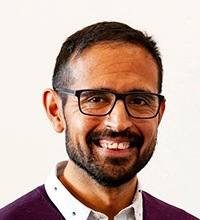
A Prof Gomez's leads the Tissue Architecture and Organ Function Laboratory at the Centre for Cancer Biology in South Australia, whose research program focuses on developing new personalised therapies for glioblastoma.
A Prof Gomez's research is recognised for his pioneering work in live imaging and image analysis, new methods for the culture and imaging of patient-derived brain tumour explants, bioinformatic analysis of gene expression in single-cell and spatial transcriptomics and Deep Learning analysis of glioblastoma histopathology.
A Prof Gomez is a Brain Tumour SA board member, a Theme Leader at the SAC for the Australian Brain Cancer Research Alliance (ABCARA) and a Translational Research Leader at the Cooperative Trials Group for Neuro-Oncology (COGNO).
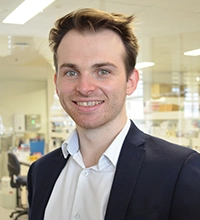
Dr Alex Yuile is a Medical Oncologist with a keen interest in primary brain tumours. He gained his medical degree from the University of New England. After completing his fellowship in neuro-oncology and translational research at Royal North Shore Hospital, Dr Yuile is currently working in the oncology clinical trials unit and is a regular contributor within the neuro-oncology multidisciplinary team.
Dr Yuile has enrolled in a PhD to study how the molecular composition of Gliomas influences the tumour response to treatment and how these different molecular subtypes interact with the immune cells surrounding the tumour. It is hoped this information may lead to new therapies for some Glioma subtypes.
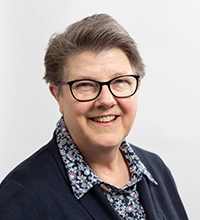
Liz is a biostatistician and research fellow at the NHMRC Clinical Trials Centre, University of Sydney. She works on clinical trials and analysis of trial data in oncology (COGNO and ANZGOG), neonatology and cardiovascular medicine. Liz is statistician for all the current and recent COGNO trials. She is a unit coordinator in the Master of Biostatistics program (Biostatistics Collaboration of Australia) and until recently in the Masters in Clinical Trials Research program (University of Sydney) and a member of the NSW Health Paediatric Early Phase Clinical Trials HREC.

Megan is a clinician-researcher with a strong research focus on cancer survivorship and supportive care aimed at improving targeted symptom management and coordinated care delivery for people with primary brain tumours. Megan's doctoral research presented an evidence base for the type, prevalence, and severity of sleep symptoms in people with brain tumours in Australia and provided an in-depth understanding of their experiences.
Megan is currently working on the Brain Cancer Rehabilitation Assessment Interventions for Survivorship NeedS (BRAINS) Program led by the Psycho-Oncology Co-Operative Research Group (PoCoG) at the University of Sydney. Her current projects focus on improving models of care coordination for people with brain tumours through deliverable system- and provider-level interventions.
Megan's research in cancer survivorship and role as a clinical psychologist inform and complement each other as she is passionate about and inspired by high-quality research that can be translated into day-to-day clinical practice to create a positive impact on people’s lives.

Dr. Jessica Roydhouse's research focuses on health-related quality of life and patient-reported outcomes, with a particular emphasis on methodological issues including proxy reporting, missing data, and treatment tolerability. She is a Senior Research Fellow at the Menzies Institute for Medical Research, University of Tasmania. She is the Director of the Tasmanian Cancer Registry, the population-based cancer registry for the state, and the Academic Lead for the Prostate Cancer Outcomes Registry Tasmania, a clinical quality registry. She is Past Chair of the ISPOR Patient-Centered SIG, Chair of the ISOQOL Australia and New Zealand SIG, the Co-Editor in Chief of Quality of Life Research and a member of the GP5 Working Group in the NCI Cancer Treatment Tolerability Consortium.

Dr Sofia Mason is a medical oncologist at Chris O'Brien Lifehouse, and PhD student at the Garvan Institute of Medical Research. She is currently undertaking a basic science project exploring the role of androgen receptor signaling in glioblastoma supervised by A/Prof Christine Chaffer. Her clinical interests include neuro-oncology and breast cancer. Sofia has been involved in quality improvement and development activities with EviQ and the Co-operative Trials Group for Neuro-Oncology (COGNO).

A/Prof Arian Lasocki is a Neuroradiologist in the Department of Cancer Imaging at the Peter MacCallum Cancer Centre in Melbourne, where he is also the Head of Radiology Research and Co-Head of MRI. His main clinical and research interests are in the imaging of intracranial gliomas and intracranial metastatic disease, including post-treatment effects.

Dianne Legge is a senior allied health clinician, who has worked as a neuro-oncology care coordinator since 2009. She has been instrumental in driving the development of a comprehensive Brain Tumour Support Service at the Olivia Newton-John Cancer Wellness & Research Centre, Austin Health. Dianne is a sessional academic with Latrobe University, lecturing and tutoring Occupational Therapy and Psychology students in advanced clinical practice areas. Her research interests include improving resources, and support for patients and families affected by a brain cancer diagnosis. Dianne is currently developing a communication skills training resource for health professionals in neuro-oncology, particularly to improve support for people with cognitive impairment, as part of a PhD program.

Dr Michael Colditz is a neurosurgeon with specialty interests in functional neurosurgery (movement disorders/epilepsy/pain), neuro-oncology, spine, and general neurosurgery. Michael graduated Bachelor of Medicine, Bachelor of Surgery from the University of Queensland and completed specialist neurosurgery training in Queensland finishing at the Royal Brisbane and Women's Hospital. Michael is a Fellow of the Royal Australasian College of Surgeons and completed a post-fellowship year at Toronto Western Hospital, University of Toronto, Canada, followed by St Vincent's Hospital and the Austin Hospital, Melbourne, Australia, in functional neurosurgery. Michael is currently a staff specialist neurosurgeon and the supervisor of neurosurgery training at the Royal Brisbane and Women's Hospital, and a clinical senior lecturer at the University of Queensland. Michael graduated with a neuroscience masters from the Queensland Brain Institute, has published in peer-reviewed journals, presented at neurosurgery conferences and has received neurosurgery grants/awards from NSA, RACS, RBWH and WSSFN.

Dr Joe Wei is currently a Medical Oncologist and early phase clinical trialist at Scientia Clinical Research, Prince of Wales Hospital. He has a PhD in viral and cancer immunology from the University of Melbourne and sits on the Scientific Advisory Committee of COGNO and TOGA.
Prof. Gan graduated from Melbourne University with a Bachelor of Medicine and Surgery. In 2016, he was appointed the head of the Cancer Clinical Trials Unit at Austin Health. He is Adjunct Professor with Latrobe University. From 2020-2024, he was Clinical Research Lead at the Olivia Newton- John Cancer Research Institute (ONJCRI) and joined the ONJCRI Executive Team overseeing research across the ONJCRI.
He is a very active clinician scientist. He obtained his PhD from Melbourne University. In 2019, he formed and is the Head of the Cancer Therapies and Biology Group at ONJCRI, focused on the development of better cancer treatments, particularly brain cancer. He has had continuous grant success since 2015 and over 170 peer reviewed journals including in Nature, Journal of Clinical Oncology and Neuro-Oncology, the leading global journals in science, clinical oncology and neuro-oncology respectively.
He is passionate about improving the outcomes for patients with brain cancer. In particular, he has helped lead multiple clinical trials in brain cancer, including trials using drugs from the ONJCRI research program such as mAb806 (subsequently developed into ABT-414) and ifabotuzumab, one of the first drugs specifically targeting the tumour microenvironment. He co-founded the Australian Brain Cancer Research Alliance (ABCARA) and is the study chair for the LUMOS-1 and LUMOS-2 platform trials in recurrent IDH-mutant glioma.

Professor John Simes AO is a Senior Principal Research Fellow and Senior Associate Director at the NHMRC Clinical Trials Centre (CTC) and Co-Director of Cancer Trials. He was the Founding Director of the CTC for a period of 33 years.

Professor Agar is a palliative medicine specialist and clinical trialist, who has a particular interest in the palliative care needs of people with brain cancer, those living with cognitive impairment and those impacted by delirium.

Dr Tognela is a medical oncologist with over a decade of experience in treating CNS tumours. She is also Director of the Macarthur Cancer Therapy Centre with clinical practices at Campbelltown Hospital and GenesisCare Campbelltown. Dr Tognela is a member of the COGNO Scientific Committee and Co-Chair of the Ideas Generation Workshop. She has been an investigator on a number of COGNO trials.
A/Prof. Koh is an academic Radiation Oncologist, working as a clinician researcher at Liverpool Hospital, NSW and Conjoint Associate Professor, University of New South Wales. A/Prof. Koh has over 20 years sub-specialty expertise in neuro-oncology and haematological cancers. A/Prof. Koh major research directions include brain tumour research in adult and paediatric patients as well as cancer survivorship research.
A/Prof. Koh has received research support of over $62 million (CI involvement) in competitive funding, including over $60 million in brain tumour-related projects and $2.2 million in cancer survivorship research. She holds CIB status for the MRFF-funded COGNO trial precision oncology LUMOS2 trial in adult recurrent lower grade glioma, currently recruiting to novel drug interventions across Australia and Canada.
She is co-lead for the largest multi-centre FIG study (FET-PET in Glioblastoma), a MRFF funded trial involving TROG, COGNO and ARTnet.
Her role as the Cooperative Trials Group for Neuro-Oncology (COGNO) Chair, she leads a collaborative network of brain tumour trial sites across Australia, working to develop and deliver both investigator-initiated trials across the collaborative trials landscape as well as working with industry partners. A/Prof. Koh has played a key role across the COGNO trial portfolio includring MAGMA, VERTU and NUTMEG. She has involvement with ASNO as well as RANZCR Asia-Pacific Radiation Oncology Special Interest Group with outreach activities in the Asia-Pacific.
A/Prof Hao-Wen Sim is a Sydney-based medical oncologist with specialised expertise in adult neuro-oncology and biostatistics. He graduated with Honours from the University of Melbourne, receiving the James Stewart Bequest for Surgery and a place on the Margaret Whyte Honour Board. He also holds a Master of Biostatistics from the University of Sydney, where he earned several prestigious awards, including the Biostatistics Collaboration of Australia Star Graduate Award, the Judy Simpson Biostatistics Scholarship, the Les Irwig General Epidemiology Award and the Australasian Epidemiological Association Top Student Prize. A/Prof Sim completed a neuro-oncology fellowship at the Princess Margaret Cancer Centre in Toronto.
Currently, A/Prof Sim serves as the Deputy Chair of the COGNO Scientific Advisory Committee, Chair of the COGNO International Clinical Research Subcommittee, and is the Group Coordinator and Clinical Lead for COGNO at the NHMRC Clinical Trials Centre. He is also actively involved in treating adult neuro-oncology patients at The Kinghorn Cancer Centre and the Chris O’Brien Lifehouse. His research focuses on the development and implementation of national brain cancer trials.
