Medical Oncologist (NSW)
Alex Yuile is a Medical Oncologist with a keen interest in primary brain tumours. After completing his fellowship in neuro-oncology and translational research at Royal North Shore Hospital he began his PhD focusing on IDH-mutant gliomas. Dr Yuile is currently working as a neuro-oncologist at Royal North Shore Hospital and has particular interest in IDH-mutant gliomas and neuro-oncology clinical trials. He is a member of the Scientific Advisory Committee for the Co-operative Trials Group for Neuro-Oncology and the EviQ Neuro-Oncology Reference Committee.

Radiation Oncologist (QLD)
Prof. Mark Pinkham has been a COGNO member since 2011 and served on the Scientific Advisory Committee since 2019. He is an academic Radiation Oncologist with clinical and trial expertise in neuro-oncology. His research has focused on imaging, treatment and survivorship issues for people with both primary and secondary brain tumours. He is inaugural chair of the CNS Working Party within TROG (TransTasman Radiation Oncology Group) and the current chair of the Brain Cancer sub-committee within the Queensland Cancer Control Safety and Quality Partnership.
Medical Oncologist (NSW)
A/Prof Hao-Wen Sim is a Sydney-based medical oncologist with specialised expertise in adult neuro-oncology and biostatistics. He graduated with Honours from the University of Melbourne, receiving the James Stewart Bequest for Surgery and a place on the Margaret Whyte Honour Board. He also holds a Master of Biostatistics from the University of Sydney, where he earned several prestigious awards, including the Biostatistics Collaboration of Australia Star Graduate Award, the Judy Simpson Biostatistics Scholarship, the Les Irwig General Epidemiology Award and the Australasian Epidemiological Association Top Student Prize. A/Prof Sim completed a neuro-oncology fellowship at the Princess Margaret Cancer Centre in Toronto.
Currently, A/Prof Sim serves as the Deputy Chair of the COGNO Scientific Advisory Committee, Chair of the COGNO International Clinical Research Subcommittee, and is the Group Coordinator and Clinical Lead for COGNO at the NHMRC Clinical Trials Centre. He is also actively involved in treating adult neuro-oncology patients at The Kinghorn Cancer Centre and the Chris O’Brien Lifehouse. His research focuses on the development and implementation of national brain cancer trials.

Neuroradiologist (VIC)
A/Prof Arian Lasocki is a Neuroradiologist in the Department of Cancer Imaging at the Peter MacCallum Cancer Centre in Melbourne, where he is also the Head of Radiology Research and Co-Head of MRI. His main clinical and research interests are in the imaging of intracranial gliomas and intracranial metastatic disease, including post-treatment effects.

Brain Tumour Support Coordinator (VIC)
Dianne Legge is a senior allied health clinician, who has worked as a neuro-oncology care coordinator since 2009. She has been instrumental in driving the development of a comprehensive Brain Tumour Support Service at the Olivia Newton-John Cancer Wellness & Research Centre, Austin Health. Dianne is a sessional academic with Latrobe University, lecturing and tutoring Occupational Therapy and Psychology students in advanced clinical practice areas. Her research interests include improving resources, and support for patients and families affected by a brain cancer diagnosis. Dianne is currently developing a communication skills training resource for health professionals in neuro-oncology, particularly to improve support for people with cognitive impairment, as part of a PhD program.
Radiation Oncologist (SA)
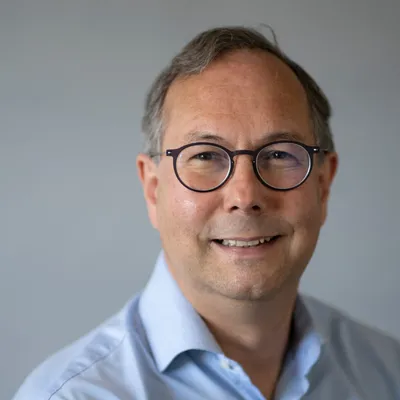
Prof. Saran a senior radiation oncologist in Adelaide, South Australia, and has three decades of experience managing paediatric and adult patients with primary and secondary CNS tumours as well as other rare cancers.
Prof. Saran graduated at the University of Düsseldorf in Germany in 1992 and completed his training as clinical oncology. After a clinical research fellowship in London, he has worked as a consultant clinical oncologist at Velindre Hospital Cardiff (UK), the Royal Marsden Hospital London (UK), Auckland City Hospital Auckland (NZ) and the Royal Adelaide Hospital Adelaide. In addition, he holds an appointment at the Australian Bragg Centre for Proton Therapy and Research (ABCPTR) and is an appointed Adjunct Clinical Professor at the University of South Australia.
Prof. Saran has been a recognised national and international speaker and has given keynote lectures at meetings around the world.

Neuropathologist (NSW)
Dr Laveniya Satgunaseelan is a pathologist in the Department of Neuropathology at Royal Prince Alfred Hospital, Sydney. Her main role is in the provision of molecular neuropathology services. She is the current secretary/treasurer of the Australia and New Zealand Society for Neuropathology. Her interests include cancer genomics and health equity in pathology.

Medical Oncologist (VIC)
Prof. Gan graduated from Melbourne University with a Bachelor of Medicine and Surgery. In 2016, he was appointed the head of the Cancer Clinical Trials Unit at Austin Health. He is Adjunct Professor with Latrobe University. From 2020-2024, he was Clinical Research Lead at the Olivia Newton- John Cancer Research Institute (ONJCRI) and joined the ONJCRI Executive Team overseeing research across the ONJCRI.
He is a very active clinician scientist. He obtained his PhD from Melbourne University. In 2019, he formed and is the Head of the Cancer Therapies and Biology Group at ONJCRI, focused on the development of better cancer treatments, particularly brain cancer. He has had continuous grant success since 2015 and over 170 peer reviewed journals including in Nature, Journal of Clinical Oncology and Neuro-Oncology, the leading global journals in science, clinical oncology and neuro-oncology respectively.
He is passionate about improving the outcomes for patients with brain cancer. In particular, he has helped lead multiple clinical trials in brain cancer, including trials using drugs from the ONJCRI research program such as mAb806 (subsequently developed into ABT-414) and ifabotuzumab, one of the first drugs specifically targeting the tumour microenvironment. He co-founded the Australian Brain Cancer Research Alliance (ABCARA) and is the study chair for the LUMOS-1 and LUMOS-2 platform trials in recurrent IDH-mutant glioma.

Neurosurgeon (QLD)
Dr Michael Colditz is a neurosurgeon with specialty interests in functional neurosurgery (movement disorders/epilepsy/pain), neuro-oncology, spine, and general neurosurgery. Michael graduated Bachelor of Medicine, Bachelor of Surgery from the University of Queensland and completed specialist neurosurgery training in Queensland finishing at the Royal Brisbane and Women’s Hospital. Michael is a Fellow of the Royal Australasian College of Surgeons and completed a post-fellowship year at Toronto Western Hospital, University of Toronto, Canada, followed by St Vincent’s Hospital and the Austin Hospital, Melbourne, Australia, in functional neurosurgery. Michael is currently a staff specialist neurosurgeon and the supervisor of neurosurgery training at the Royal Brisbane and Women’s Hospital, and a clinical senior lecturer at the University of Queensland. Michael graduated with a neuroscience masters from the Queensland Brain Institute, has published in peer-reviewed journals, presented at neurosurgery conferences and has received neurosurgery grants/awards from NSA, RACS, RBWH and WSSFN.
Neurosurgeon (VIC)
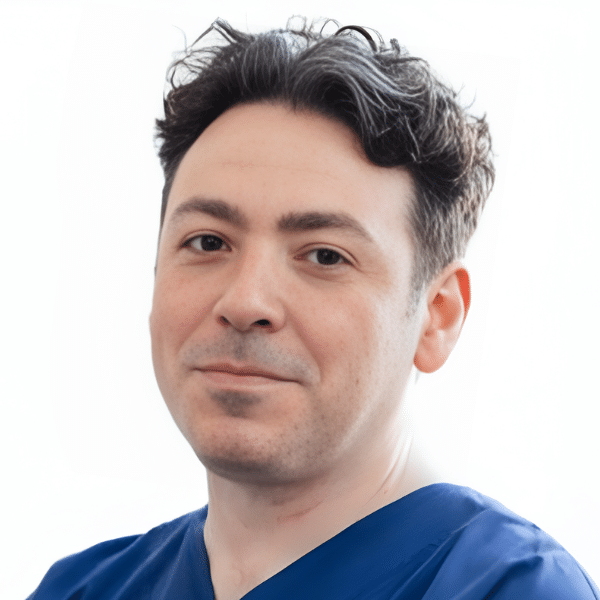
Dr. Andrew Gogos is a neurosurgeon from Melbourne with a sub specialist interest in neuro-oncology. After training in Australia, he completed a brain tumour fellowship at the University of California, San Francisco. He has published extensively on the surgical management of patients with glioma and was a co-convenor of the COGNO ASM in 2024.